


Conserving diversity and reclaiming commons
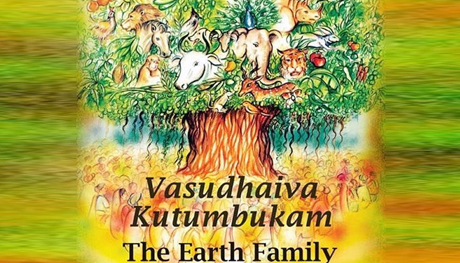
Navdanya is an Earth Centric, Women centric and Farmer led movement for the protection of Biological and cultural Diversity. We live and practise the philosophy of Earth Democracy as one Earth Family ( Vasudhaiva Kutumbakam.) with no separations between nature and humans and no hierarchies between species, culture, gender, race and faiths. We have conserved our rich seed heritage of nutritious, climate resilient food in more than 150 community seed bank freely saving, sharing and breeding our native varieties. Across 22 states in India we grow real living food from Desi living seed.
For us food is not a commodity produced with toxic and artificial chemicals pushing specie to extinctions driving climate change and spreading sickness, disease and pandemics.
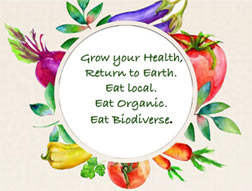
Food is life, Food is Health growing food ecologically is care for the Earth and regeneration of soil, water and biodiversity. When you connect directly to us through eating organic you take care of your health and Planet health.
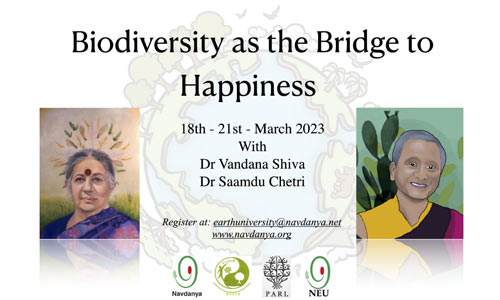
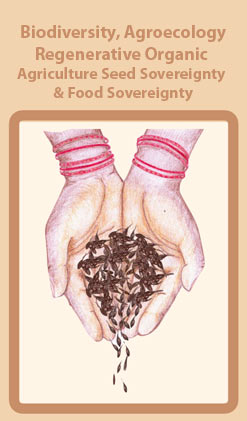
Return to Earth and join us for courses at Earth University on Earth Democracy, care for Earth, Biodiversity on Seed saving , Agroecology Regenerative Organic Agriculture, and healthy and living Food, our rich indigenous Knowledge and Ecological civilisation..
Navdanya means “nine seeds” (symbolising protection of biological and cultural diversity) and also the “new gift” (for seed as commons, based on the right to save and share seeds In today’s context of biological and ecological destruction, seed savers are the true givers of seed. This gift or “dana” of Navdanya (nine seeds) is the ultimate gift – it is a gift of life, of heritage and continuity that we bring to you through more than 3 decades of service to the Earth and humanity.
Join the Movement
REWILDING FOOD, REWILDING OUR MIND & REWILDING THE EARTH
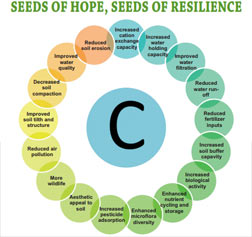
“Carbon Capture”
Two World Views, Two Technology Paradigms, Two Economic Systems, Two Futures
Two World Views, Two Technology Paradigms, Two Economic Systems, Two Futures
Sowing Seeds of Freedom from Hunger, Malnutrition and Disease
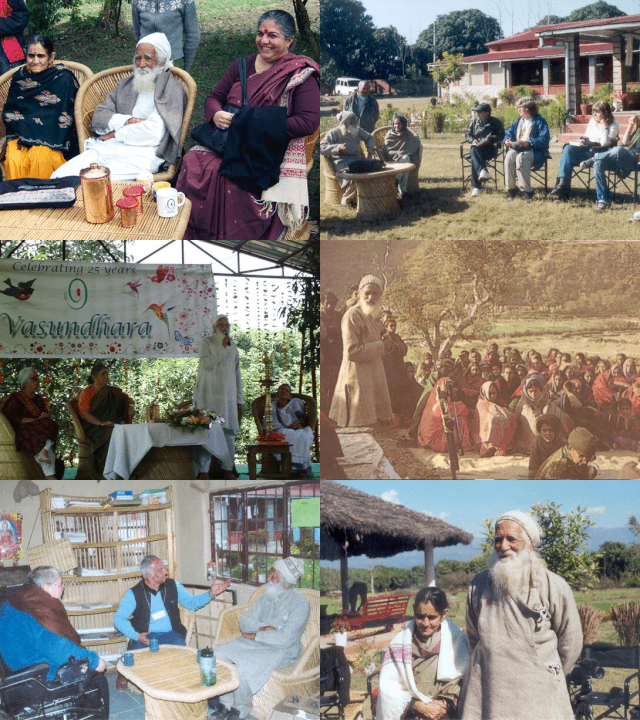
Remembering Sundarlalji
View Blog
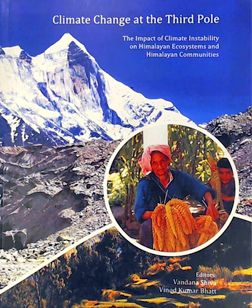
CRY OF THE HIMALAYA
The disasters do not have local causes or local consequences . The melting of glaciers is a direct impact of fossil fuel industrialism, leading to Green House gas emissions and Climate Change. Every year Himalaya Glaciers are loosing one and a half feet of snow.
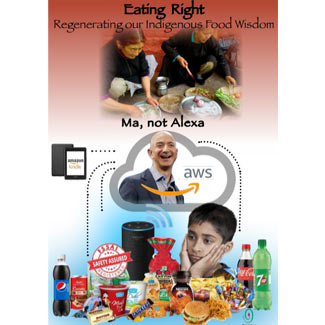
Food for health: the right to health is to live healthy lives
 “It’s time for action”, says Vandana Shiva, who has gathered experts from all over the world to draft a Manifesto that will provide farmers,...
June 03, 2020
Making peace with the Earth. 600 organisations urge a sustainable new start
 The Covid-19 pandemic is a planetary wake-up call from the Earth to humanity. On Earth Day, over 500 organisations launched a global call for urgent...
April 24, 2020
The Seed War
 From India to the rest of the world, corporations are trying to extend control over the first link of our food chain. Navdanya seed banks were...
March 20, 2020




© 2016 Navdanya. All rights reserved. Design Inn Info Solution